November 13, 2026
Everything You Need to Know About Dental Implants in Bakersfield CA
By @tysondybs355

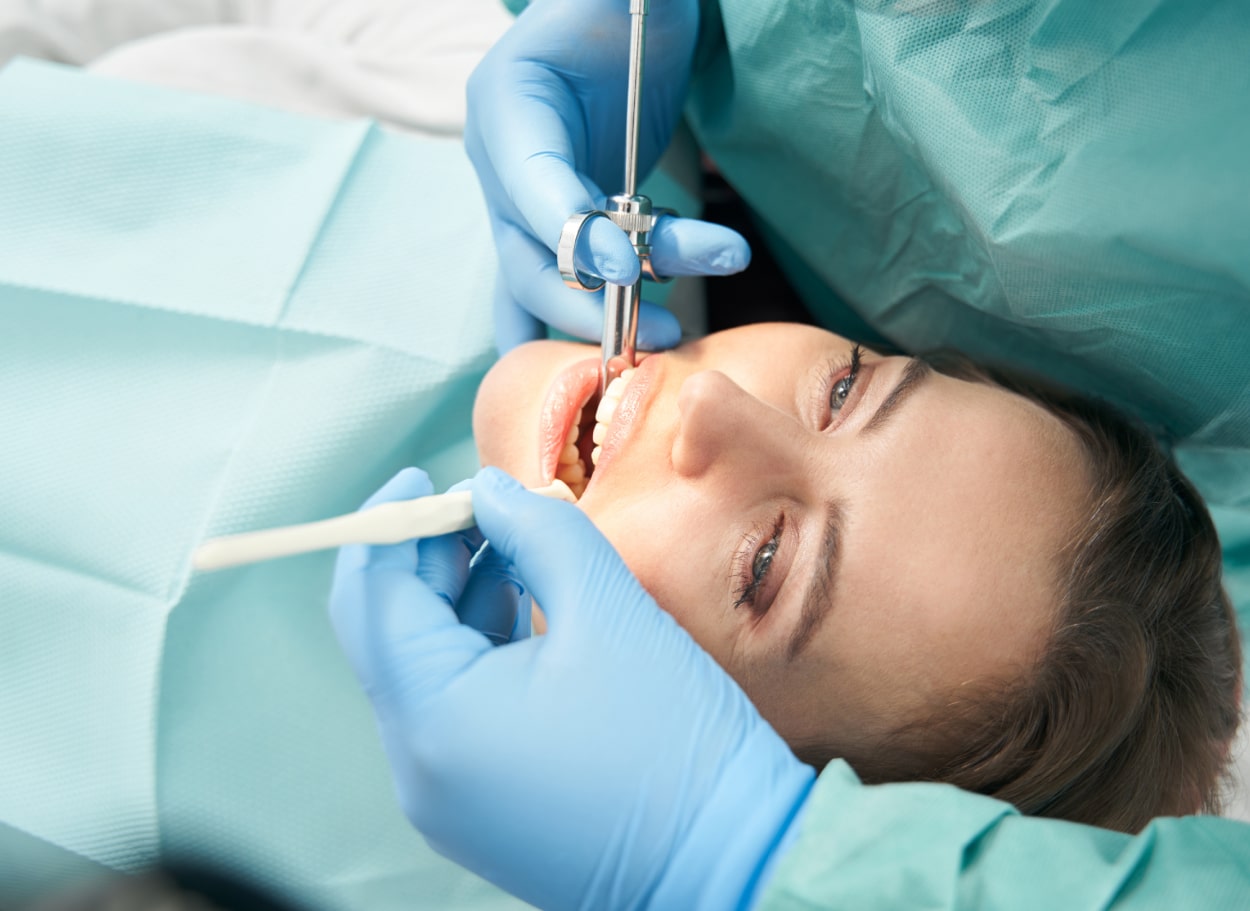
Losing a tooth changes more than a smile. It affects the way you chew, the way you speak, and often the way you carry yourself in a room. I have seen patients put off treatment for years because they assumed a missing tooth was mostly cosmetic, only to learn later that the bigger issue was the slow shift in their bite and the bone loss happening underneath the gums. That is one reason dental implants continue to stand out as one of the most reliable long-term options in restorative dentistry.
If you have been researching Dental Implants Bakersfield CA, you have probably noticed that the topic gets simplified too often. People hear phrases like "permanent teeth" or "same-day smile" and come away with an incomplete picture. Implants can be life-changing, but they are also a real surgical and restorative process, with planning, healing time, costs, maintenance, and case-specific judgment. Bakersfield patients, like patients anywhere, deserve a clear explanation of what implants can do, what they cannot do, and how to decide whether they are the right fit.
What a dental implant actually is
A dental implant is not the visible tooth by itself. It is a replacement root, usually made of titanium, that is placed in the jawbone. Over time, the bone heals around the implant in a process called osseointegration. Once that foundation is stable, the dentist or specialist attaches a connector, often called an abutment, and then a custom-made crown, bridge, or denture.
That distinction matters because the strength of an implant comes from the way it anchors into bone. A traditional bridge depends on neighboring teeth for support. A removable denture rests on the gums and, in many cases, adhesives. An implant-supported restoration is different. It functions more like a natural tooth root, which is why many patients describe it as feeling more secure and more normal once treatment is complete.
Implants can replace one tooth, several teeth, or a full arch. A single missing molar in the back of the mouth is a common use case. So is a front tooth lost to trauma, which tends to carry a different emotional weight because it changes the smile immediately. For patients missing many or all teeth, implant-supported dentures and full-arch systems can dramatically improve stability over a conventional denture.
Why so many adults in Bakersfield ask about implants
Bakersfield has a broad mix of patients, from young adults with sports injuries to older adults dealing with years of wear, gum disease, or broken dental work. The reasons people seek implants vary, but several patterns come up often in real practice.
A missing tooth in the back may not be visible, so some people ignore it. Then chewing becomes lopsided. The opposite tooth may begin to over-erupt into the empty space. Neighboring teeth drift. Food traps become more common. Cleaning gets harder. In a few years, what started as one missing tooth can turn into a more complicated restorative problem.
For denture wearers, the complaint is usually movement. Lower dentures in particular can be frustrating because the tongue and the shape of the lower jaw make retention difficult. Many patients say the same thing in different words: they are tired of planning meals around their teeth. Even two implants to stabilize a lower denture can make a significant difference in comfort and confidence.
There is also the bone issue. When a tooth is lost, the body no longer has a reason to maintain the same amount of bone in that spot. Over time, the ridge can shrink. This is not a cosmetic detail. It affects future treatment choices. One of the major advantages of implants is that they help preserve bone in a way that removable options do not.
Who makes a good candidate
Being a good candidate for dental implants is not about age alone. I have seen healthy adults in their seventies and eighties do very well, and I have also seen younger patients need extra preparation before moving forward. What matters most is the condition of the gums, the amount and quality of available bone, overall health, and the ability to maintain oral hygiene after treatment.
Several health conditions deserve a careful discussion rather than an automatic yes or no. Diabetes, for example, does not rule out implants, but poor blood sugar control can interfere with healing. Smoking is another major factor. Smokers can still receive implants in some cases, but they carry a higher risk of complications, especially with bone and gum healing. A history of periodontal disease is common among implant patients, but active gum infection has to be managed first. Certain medications and previous radiation treatment in the jaw area can also affect planning.
A thorough evaluation usually includes digital imaging, often a cone beam CT scan, along with a detailed exam of the teeth, gums, bite, and medical history. Good implant care is never just about placing a screw in bone. The best results come from planning the final tooth first and then working backward to determine ideal implant position.
Here are some of the strongest signs that someone may be a solid implant candidate:
- One or more missing teeth with healthy surrounding gum tissue
- Enough jawbone to support an implant, or a willingness to undergo grafting if needed
- Stable general health and good healing capacity
- A commitment to brushing, flossing, and regular dental visits
- Realistic expectations about time, cost, and maintenance
The evaluation process in practical terms
For many patients, the first appointment is more educational than procedural. The dentist will want to know how long the tooth has been missing, whether there was an infection, whether you grind your teeth, and what your goals are. Replacing a front tooth after trauma is a different challenge than rebuilding a worn-down mouth with several missing teeth and decades-old fillings.
Imaging is where the conversation gets specific. Standard X-rays show a lot, but three-dimensional scans reveal details that matter for implant planning, including bone width, bone height, sinus position in the upper jaw, and the location of the nerve canal in the lower jaw. These are not minor technicalities. They determine whether the implant can be placed immediately, whether grafting is needed, and whether the timing should be adjusted.
The bite also has to be considered. If a patient clenches or grinds heavily, the final restoration may need reinforcement, design changes, or a night guard. Implant crowns do not decay, but the bone and gum around implants can still be damaged by excessive force or poor hygiene. A well-planned case accounts for this from the start.
The steps involved, from missing tooth to finished smile
The implant process is straightforward in concept, but the timeline varies. In a simple case, a damaged tooth is removed, the site is preserved with grafting if necessary, the implant is placed after healing or in some cases immediately, and then the final crown is attached after integration. In a more complex case, there may be bone grafting, sinus augmentation, temporary restorations, and coordinated care between a general dentist and a specialist.
Healing time depends on the case. A common range for osseointegration is a few months, though this can vary based on bone quality, implant stability at placement, and whether grafting was done. Immediate implants and immediate temporary teeth are possible in selected cases, but they are not appropriate for everyone. Marketing can make these options sound routine. They are not. The right case has to have favorable anatomy, good primary stability, and a bite design that protects the implant during healing.
Pain is one of the most common concerns, and it is often less dramatic than patients expect. Most describe implant placement as easier than a tooth extraction. Local anesthesia is standard, and sedation may be available depending on the office and the complexity of treatment. Soreness, swelling, and a modified diet are normal for a few days. The part that requires patience is not usually pain, it is healing.
Bone grafting, sinus lifts, and other procedures that may come up
Many people researching Dental Implants Bakersfield CA are surprised to learn they may need a bone graft first. That does not mean they are poor candidates. It often means the missing tooth has been gone long enough for bone to shrink, or the extraction site had infection or damage that left the ridge too thin for ideal implant placement.
A bone graft can help rebuild the site so the implant has better support and a more natural result. In the upper back jaw, where the sinus sits close to the roots of molars, some patients need a sinus lift to create room for implant placement. These procedures sound intimidating, but they are routine in implant dentistry when properly indicated.
The key is timing and expectations. Grafting adds cost and healing time, but in many cases it improves the quality and longevity of the final result. Skipping it when it is clearly needed can lead to compromised implant position, poor esthetics, or reduced long-term stability. Experienced clinicians tend to be conservative about shortcuts when the anatomy says otherwise.
Single implants versus bridges and dentures
A single implant often shines where one tooth is missing and the neighboring teeth are healthy. A bridge can work well, but it usually requires reshaping adjacent teeth to support the restoration. If those teeth already need crowns, a bridge may still make practical sense. If they are healthy and intact, many patients prefer an implant because it preserves them.
For multiple missing teeth, implants can support a bridge without requiring one implant for every single tooth. For full-arch cases, several strategically placed implants can retain a fixed prosthesis or secure a removable overdenture. This is where careful diagnosis really matters. A patient who wants "teeth that do not come out" may be a candidate for a fixed full-arch option, but not everyone has the bone, budget, or medical profile for that on day one.
Traditional dentures remain a valid treatment for some patients. They cost less up front and avoid surgery. The trade-off is stability, function, and ongoing adjustments. Implant-supported dentures usually cost more initially, but many patients feel the improvement in chewing and confidence justifies it.
Cost in Bakersfield, and what influences the price
Cost is a fair question, and there is no honest single number that fits every case. A straightforward single implant with a crown costs far less than a full-mouth reconstruction with extractions, grafting, temporary restorations, and final prosthetics. Fees also vary depending on who performs each phase, the materials used, and the imaging or sedation involved.
For a single tooth, patients should think in terms of the whole treatment rather than only the surgical implant. The final cost may include the consultation, 3D imaging, extraction if needed, grafting, the implant itself, the abutment, and the crown. Some offices bundle these fees, others separate them. That is why estimates can look confusing at first glance.
Insurance coverage is mixed. Some dental plans contribute to parts of treatment, such as the crown or extraction, while excluding the implant itself. Medical insurance may occasionally come into play in trauma or pathology-related cases, but that is not the norm. Financing options are common and often make treatment more manageable.
One practical tip is to compare treatment plans carefully. A lower price is not always a better value if it omits imaging, uses lower-quality components, or does not account for maintenance. The opposite is also true. A high fee is not automatically a mark of superior care. Ask what is included, who is doing each part of the case, and what follow-up looks like.
What recovery is usually like
Most patients return to desk work quickly, often the next day or within a couple of days, depending on the extent of surgery. More involved procedures, especially full-arch surgery or multiple extractions with grafting, can require a longer recovery window. Swelling generally peaks around the second or third day. Soft foods, careful cleaning, and following postoperative instructions matter more than most people realize.
The more difficult part of recovery is behavioral, not physical. People want to test the area too soon. They chew on the side that just had surgery or skip cleaning because they are nervous about touching it. Neither helps. Implants heal best when the area is kept clean and protected.
After the implant integrates and the final restoration is placed, there is usually a short adjustment period. Speech may feel slightly different at first with larger restorations. Biting needs to be checked. If something feels high or awkward, patients should come back for adjustment rather than "getting used to it." Small bite discrepancies can create bigger problems over time.
Long-term care, and the mistakes that shorten implant life
One of the most persistent myths is that implants do not need much care because they cannot get cavities. It is true that an implant crown will not decay like natural enamel, but the tissues around it can still become inflamed or infected. Peri-implant disease is real, and it can progress quietly if plaque accumulates under the gums.
The everyday rules are not glamorous, just consistent. Brush thoroughly. Clean between the teeth and around the implant with the right tools. Keep maintenance visits. If you grind your teeth, wear the night guard your dentist recommends. Patients who assume implants are maintenance-free often end up with avoidable complications.
A well-done implant can last many years, often decades, but longevity is not a guarantee. It depends on hygiene, bite forces, smoking status, gum health, and the quality of the restoration. Sometimes the implant itself remains solid while the crown on top needs replacement after years of wear. That is not necessarily a failure. It is part of the long timeline of dental care.
Choosing a provider in Bakersfield
The right provider is not just the one with the most polished website. Implant treatment is a combination of diagnosis, surgery, restorative design, and follow-up care. In some offices, one dentist handles everything. In others, the surgical phase is done by an oral surgeon or periodontist and the final crown by a general dentist. Either model can work well if communication is strong.
Patients should pay attention to how the office explains treatment. Clear explanations usually signal careful planning. Vague promises and rushed consultations are red flags. It is reasonable to ask about training, how often the office performs implant procedures, what imaging is used, and what happens if grafting or additional care is needed.
These questions can help you compare options without getting lost in sales language:
- Who will place the implant, and who will make the final crown or prosthesis?
- Will my case require a 3D scan, bone graft, or referral to a specialist?
- What is included in the quoted fee, and what could add to the cost later?
- How long should my treatment take in a case like mine?
- What kind of follow-up and maintenance will I need after the implant is complete?
Situations where implants may not be the best first move
Implants are excellent, but they are not automatically the right answer for every patient at every moment. If someone has uncontrolled periodontal disease, untreated decay throughout the mouth, or severe clenching that has not been addressed, starting with an implant can put the whole investment at risk. Sometimes the smartest first step is stabilizing oral health, not rushing into surgery.
There are also financial realities. Some patients need a dependable option now and may choose a removable appliance while they plan for implants later. That is a practical decision, not a failure. Dentistry works best when treatment matches both the biology and the person’s real life.
Aesthetic demands can also make some implant cases more nuanced than patients expect. Replacing a front tooth in a person with a high smile line is one of the most technique-sensitive procedures in restorative dentistry. The implant position, gum contour, neighboring teeth, and timing of extraction all affect the final appearance. When a provider treats that as a simple routine case, caution is warranted.
What matters most when you are deciding
Patients tend to focus on the final https://finnvvxt706.quillnesty.com/posts/dental-implants-bakersfield-ca-key-benefits-for-everyday-life crown because that is the part they can see. Clinicians think just as much about the bone, gum tissue, bite, and long-term maintenance because those are the factors that determine whether the visible result will still look and function well years later.
If you are considering Dental Implants Bakersfield CA, the best next step is not to hunt for the fastest promise. It is to get a thorough exam, ask direct questions, and understand the full treatment path. When implants are planned well and maintained properly, they offer one of the most durable and natural-feeling solutions dentistry has for missing teeth. That is why they remain the standard so many other options are measured against.
Smyle Dental Bakersfield
2016 E St, Bakersfield, CA 93301, United States
+16614939040
FAQ About Dental Implants Bakersfield CA
What is the downside of a dental implant?
The main downsides of dental implants involve high financial costs, surgical risks, a lengthy healing process, and the potential for long-term complications.
How much does a full set of implants usually cost?
A full set of dental implants (covering both the upper and lower arches) typically ranges from $6,000 to $90,000+, depending heavily on the type of treatment, materials used, and whether the teeth are fixed or removable.
Can I have all my teeth pulled and get implants?
Yes, you can have all your teeth pulled and replaced with dental implants. Instead of placing a separate implant for every single tooth (which is costly and time-consuming), dentists typically use full-arch systems.
❧